







Search Results for: Fermentation Levels
A Beginner's Guide to Choosing Beans for Pour-Over Coffee: Origins, Processing Methods, and Roast Levels Explained
Friends who are just getting into pour-over coffee often feel overwhelmed by the dazzling array of coffee beans and don't know where to start. From the professional perspective of Front Street, this article systematically lays out a complete approach to bean selection for beginners: first understand the distribution of the world's coffee-growing belt, then narrow down to African, American, or Asian origins based on personal taste preferences, next learn how different processing methods—natural, washed, honey, and anaerobic fermentation—affect flavor, and finally make a comprehensive judgment by considering roast level and budget. The article also specifically recommends several Front Street everyday beans suitable for beginners, helping you build an understanding of the foundational flavors of each origin while practicing your brewing. [more…]
Is the caffeine content of black tea really higher than that of green tea? Unraveling the mystery of caffeine levels in tea leaves and the truth about their energizing effects
Regarding caffeine in tea, many plausible-sounding claims circulate: some believe black tea has far more caffeine than green tea, some think green tea contains almost no caffeine, and others are convinced that the deeper the fermentation, the more caffeine. Is any of this actually true? All tea leaves from the tea plant—unless decaffeinated—inherently contain caffeine, and the level depends more on plucking tenderness, tea cultivar, cultivation methods, and climate conditions than on the degree of fermentation or oxidation. Buds and newly opened leaves have the highest caffeine concentrations, African Assamica tea plants are generally higher than Chinese varieties, and older leaves plucked in autumn tend to be lower. In addition, theanine, unique to tea, works synergistically with caffeine to deliver a calm yet alert lift—quite different from the jolt of coffee. This article breaks down these factors one by one and explains why Front Street Coffee labels the caffeine content of the teas it sells, helping you make a more suitable choice based on your own tolerance. [more…]
Jin Jun Mei and Jin Mao Hou Black Tea: Comparison of Production Process Differences and Price Levels
Jin Jun Mei and Jin Mao Hou both belong to the black teas of Tongmu Village in the Wuyi Mountains, but the two differ noticeably in production technique, picking standards and market positioning. Jin Jun Mei is regarded as a luxurious upgraded version of Lapsang Souchong, emphasizing plump, robust buds and a pronounced honey aroma; Jin Mao Hou, by contrast, is often used as a collective term for lower-grade Jin Jun Mei. This article will sort through the five basic stages of Chinese tea processing, and focus on Jin Jun Mei's place of origin, picking timing and health benefits, while also clarifying its relationship with Jin Mao Hou and the question of which one commands a higher price, helping coffee and tea drinkers understand more clearly what makes these two black teas unique. [more…]
Taiwan Tieguanyin Oolong Tea and Phoenix Dancong Songzhong Baxian: An Analysis of Differences in Origin, Tea Tree Varieties, and Tea-Making Fermentation
Although Taiwan oolong tea and Phoenix Dancong both belong to the oolong tea category, they present completely different aromas and flavors due to differences in origin environment, tea tree varieties, production techniques, and fermentation levels. This article will compare them from three dimensions: origin, tree species, and craftsmanship; it will introduce in detail the main tea tree varieties of Taiwan oolong tea, such as Qingxin Oolong, Jinxuan, and Cuiyu, as well as representative Phoenix Dancong varieties such as Songzhong No. 1, Songzhong Baxian, and Ginger Flower Fragrance. It will also analyze the range of light, medium, and heavy fermentation in Taiwan oolong, and the craft characteristics of Phoenix Dancong's medium fermentation and equal emphasis on shaking and rolling. Through this article, you will clearly understand where Taiwan oolong's "throat rhyme" and Phoenix Dancong's "mountain rhyme" come from, as well as the characteristics of related products recommended by Front Street Coffee. [more…]
What coffee varieties are good to choose for Kenyan coffee? What roast level is suitable? Is lightly roasted Kenyan coffee really sour?
Kenyan coffee is renowned for its bright fruit acidity and soaring berry notes, which are inseparable from its unique varietal genetics and processing methods. This article will trace the origins of two legendary varieties, SL-28 and SL-34, analyze how Kenya's signature double fermentation washed method (K72) shapes a clean yet intense acidity, and discuss the suitable roast levels and brewing methods for Kenyan coffee. The article will also introduce the flavor performance of Asali Processing Factory beans at Front Street Coffee stores, as well as the specific parameters for Front Street Kenya Small Tomato coffee beans in iced pour-over, ice drip, cold brew, and other methods, helping coffee enthusiasts better understand and enjoy Kenyan coffee. [more…]
Pour-Over for Beginners: A Guide to Developing Extraction Plans for Unfamiliar Coffee Beans and Identifying Roast Levels
When faced with a coffee bean you've never tried before, how can you quickly find the right brewing recipe? Actually, you don't need to overturn your existing brewing habits—just make targeted adjustments to the extraction parameters. Drawing on Front Street Coffee's practical experience, this article teaches you to infer the roast level from the flavor description on the bean bag label, and from there determine the three core parameters: coffee-to-water ratio, grind size, and water temperature. It also explains in detail the differences in extraction logic between light-roasted and dark-roasted beans, as well as strategies for dealing with specially processed beans, helping you easily master every unfamiliar bean without changing your brewing technique. [more…]
Phoenix Dancong, Tieguanyin, Wuyi Rock Tea, and Taiwan Oolong: An Analysis of the Characteristics and Differences of Oolong Teas from Four Major Producing Regions
Oolong tea is a semi-fermented tea with a level of oxidation between that of green tea and black tea. Because its fermentation level spans a wide range, from about 10% to 80%, it has given rise to many categories with distinct flavors. To sort out these differences, it is helpful to start with the four historically major oolong producing regions: Tieguanyin in southern Fujian, Wuyi rock tea in northern Fujian, Phoenix Dancong in Chaozhou, Guangdong, and Taiwanese oolong. Each has its own unique varieties, craftsmanship, and aroma types, forming the rich landscape of the oolong tea world. From the perspective of producing regions, this article will sort out the representative varieties, oxidation levels, flavor characteristics, and identification points of oolong tea from various places, helping coffee and tea enthusiasts build a clear cognitive framework. [more…]
Flavor Characteristics of Guatemala Finca Santa Felisa Typica K72 Washed Coffee Beans and the Story of a Century-Old Estate
San Felisa Estate is a century-old family estate in the Acatenango region of Guatemala, run by the fourth generation of the Cruz family. The estate has its own processing plant, sits at an altitude of about 1,550 meters, and its coffee is grown at elevations of up to 1,920 meters. Its Typica beans use the K72 washed processing method—rare in Central America and originating in Kenya—undergoing 72 hours of triple-cycle fermentation and washing. Front Street Coffee recommends this bean, whose flavor profile features jasmine, lemongrass, chocolate, pistachio, stone fruit, delicate malic acidity, and a lingering caramel finish. This article will guide you through the estate's history, processing details, community philanthropy philosophy, and recommendations for various roast levels. [more…]
From Coffee Cherry to Cup: A Comprehensive Guide to Coffee Bean Processing Methods, Extraction Techniques, and Instant Coffee Production
Coffee processing encompasses three levels: the processing methods that extract coffee beans from coffee cherries, the brewing methods that extract coffee liquid from coffee beans, and the industrial processes that turn coffee liquid into instant coffee powder. Traditional processing methods include three types—washed, natural, and honey—each giving coffee beans a distinctly different flavor profile. Extraction methods fall into three mainstream categories: drip, pressure, and cold brew, corresponding to pour-over coffee, espresso, and cold brew coffee, respectively. As for instant coffee, regular instant and freeze-dried coffee also show clear differences in production techniques and flavor retention. This article will break down these processing stages one by one to help coffee enthusiasts build a complete knowledge framework from seed to cup. [more…]
What Are Honey-Processed Coffee Beans? A Full Analysis of Costa Rican Honey-Processed Flavor and Mouthfeel Characteristics
Honey processing is a green bean processing method that falls between natural and washed processing, and is widely used in producing regions such as Costa Rica, Panama, and Guatemala. It retains the cleanliness of washed coffee while giving the beans a more prominent sweetness and caramel tones through fermentation of the residual mucilage layer. Depending on the degree of washing and drying time, honey processing is further divided into four levels: white honey, yellow honey, red honey, and black honey, with the differences in color corresponding to different flavor profiles. This article will introduce the definition, principles, and classification of honey processing, as well as the flavor and taste characteristics of Costa Rican honey-processed coffee, giving you a comprehensive understanding of this sticky, honey-like processing method, along with relevant recommendations from Front Street Coffee. [more…]
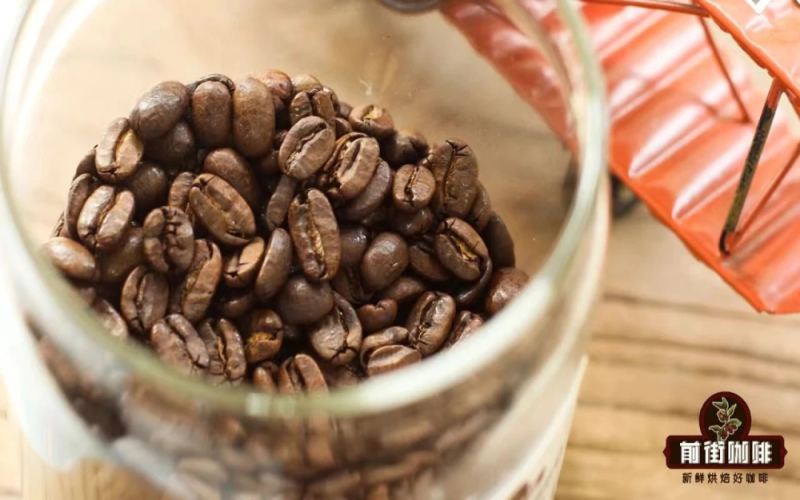
A Complete Guide to Front Street Golden Mandheling Roast Levels: From Wet-Hulling to Dark Roast Brewing
Golden Mandheling is a representative coffee from the Sumatra region of Indonesia, known for its full-bodied mouthfeel and caramel sweetness. When Front Street Coffee roasts this bean, it needs to take into account the high moisture content resulting from its wet-hulled processing, and through precise dehydration and caramelization control, fully bring out the herbal notes, spice flavors, and steady fruit acidity. This article, from green bean processing, roasting curve, and flavor characteristics to brewing parameters, presents a complete picture of the roasting and extraction approach for Front Street Golden Mandheling, helping coffee enthusiasts understand the unique charm of dark-roasted Mandheling and recreate a rich, balanced cup at home. [more…]
A Complete Analysis of Brazilian Coffee Bean Roast Levels: Flavor Changes from Light to Dark Roast and Front Street Brewing Recommendations
Brazil, as the world's largest coffee-producing country, accounts for more than one-third of global output, and its coffee beans are known for a clean, sweet profile with nutty and cocoa notes. This article takes the pulped natural processed beans from Fazenda Floresta in Minas Gerais as an example to detail the flavor performance at each stage from light roast to dark roast, and, combined with Front Street Coffee's roasting recommendations, analyzes the acidity, body, and sweet aftertaste characteristics of Brazilian beans under different roast levels. It also introduces the promotional work of the Brazil Specialty Coffee Association, the distribution of major producing regions, and the evolution of varieties, helping coffee enthusiasts choose a suitable roast level and brewing method according to their taste preferences. [more…]
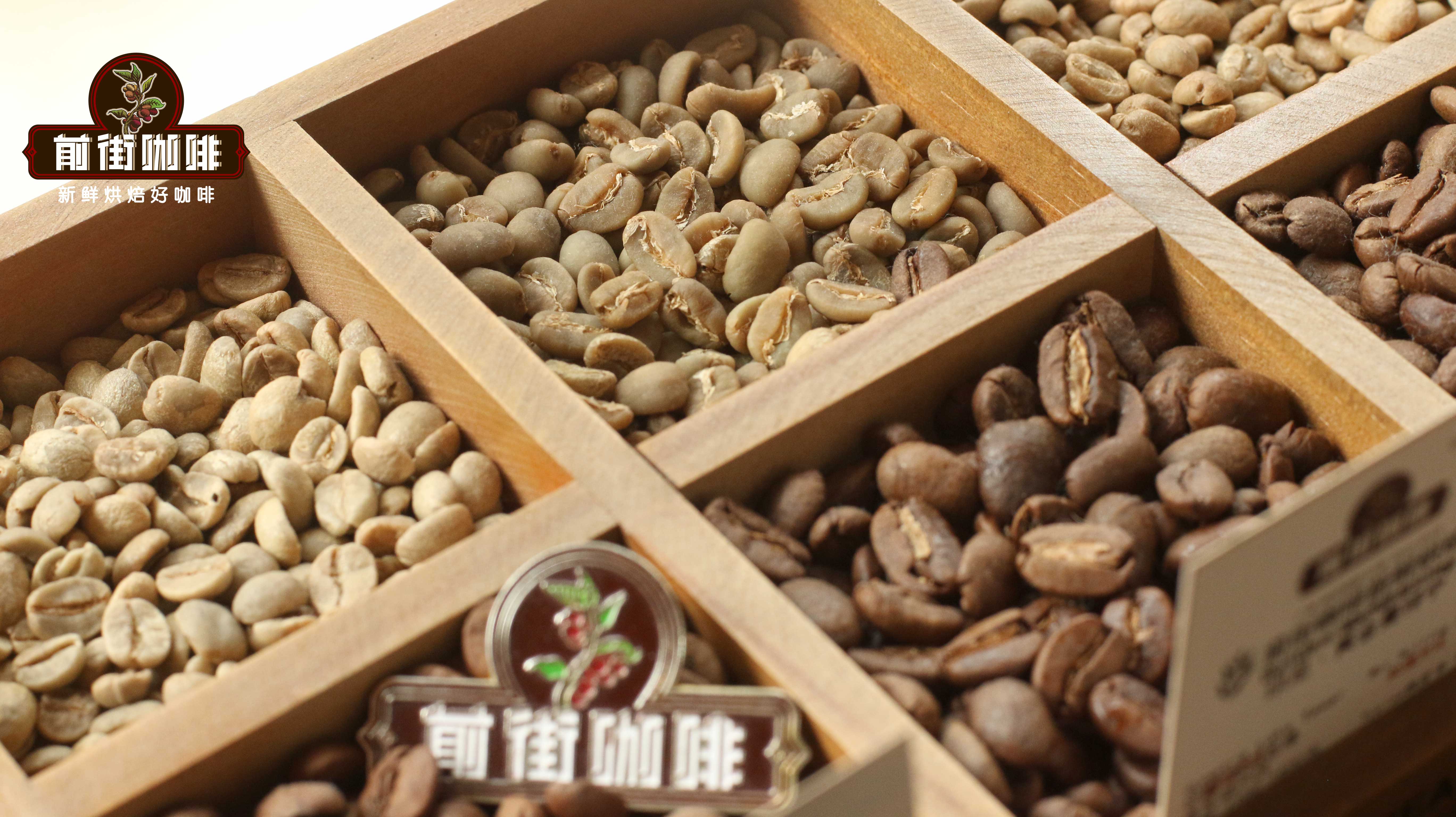
The Bitter Truth About Mandheling Coffee and Brewing Techniques: A Full Analysis of Sumatra Wet-Hulled Flavor
Mandheling coffee is the representative coffee of Sumatra, Indonesia, in Asia, famous for its rich, substantial body and unique herbal and chocolate flavors. Is it actually bitter? How should it be brewed to taste good? Starting from the origin background of Front Street Mandheling, this article provides a detailed analysis of the differences between the Lintong producing region and PWN Golden Mandheling, the flavor changes at different roast levels, and the complete process and flavor formation of Sumatra's wet-hulling method. Finally, using pour-over as an example, it gives specific brewing parameters to help coffee lovers fully understand the character and charm of this classic coffee. [more…]
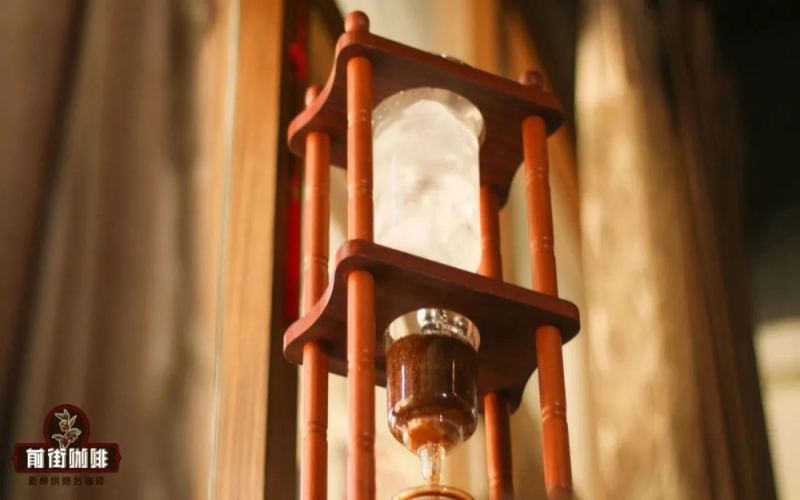
Which Beans to Choose for Cold Brew Coffee? A Full Analysis of Flavor Differences Across Roast Levels and Origin Selection
Cold brew coffee, with its refreshing taste and low acidity brought about by low-temperature slow extraction, has become a favorite among many coffee enthusiasts during the hot season. However, the long production cycle and limited yield make commercially available cold brew generally quite expensive. Coffee beans of different roast levels present entirely different flavor profiles under cold brew extraction—the fruity brightness and sweetness of a light roast, the balanced richness of a medium roast, and the fermented vinous notes of a dark roast each have their own following. This article will systematically sort out the approach to bean selection for cold brew coffee, from choosing roast levels and specific bean recommendations to grinding ratios and extraction key points, along with practical extraction tips, to help you find the perfect cup of cold brew for your taste. [more…]
What makes Wuyishan Tongmuguan Old Bush Black Tea so unique? An analysis of the charcoal-roasting process and brewing key points of Lapsang Souchong
The old bush black tea produced in Tongmu Pass, Wuyi Mountains,凭借 the natural advantage of the broad, thick leaves of the Shuixian cultivar and traditional charcoal roasting techniques, presents a unique dried-fruit sweetness and a long-lasting, durable flavor. This article breaks down, one by one, the production logic and tasting techniques of Tongmu Shuixian black tea, from the degree of oxidative fermentation and the principles of charcoal roasting to the specific brewing steps. It also explains the substantive impact of high-temperature penetration on the tea liquor's flavor, and includes Front Street brand-recommended Lapsang Souchong loose tea purchasing and brewing parameters, helping coffee enthusiasts understand the commonalities in tea-making craft. [more…]
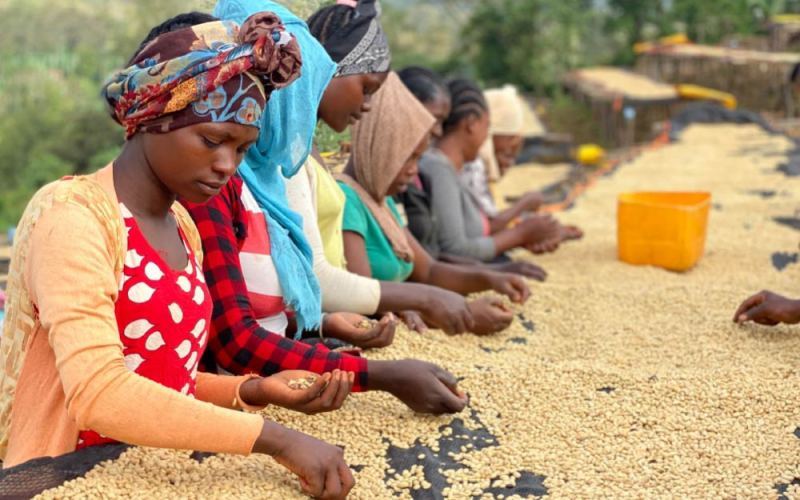
Ethiopian Yirgacheffe Coffee Beans: A Complete Analysis of Roast Levels and Flavor Characteristics
Ethiopia, as the birthplace of coffee, still has wild coffee gathered in its primeval forests today. Although the country has long faced poverty and drought, its coffee quality and output remain pivotal globally. The Yirgacheffe region is famous for its washed beans, and in recent years its natural beans have also risen rapidly. This article will comprehensively analyze the characteristics of Yirgacheffe coffee beans from the perspectives of processing method differences, flavor performance at different roast levels, and grading standards, while interspersing specific product recommendations from the Front Street Coffee brand to help coffee enthusiasts gain a deeper understanding of the unique charm of this region. [more…]
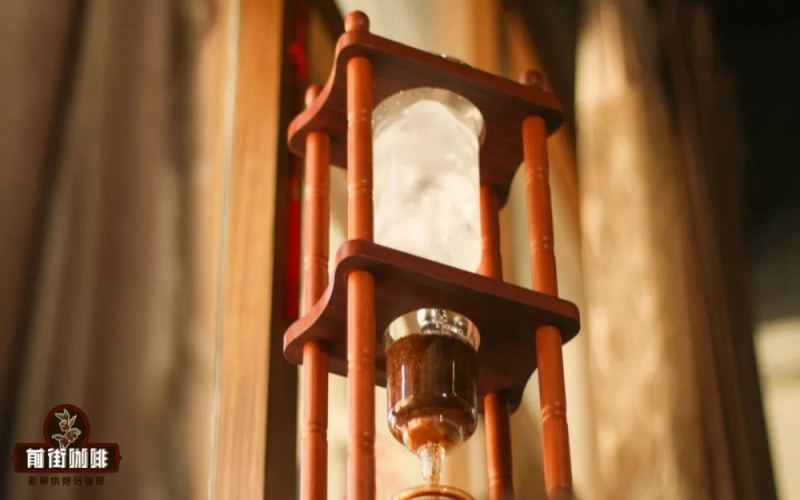
Cold Brew Coffee Making Guide: A Detailed Explanation of 6 Key Steps and Parameters from Bean Selection to Drip Filtration
Cold brew coffee is deeply favored by enthusiasts for its rich, wine-like body and refreshing fruity aroma, but recreating the ideal flavor at home requires precise control over bean selection, grinding, ratio, extraction, and aging. This article systematically outlines the 6 core steps for making cold brew coffee, including suitable roast levels and single-origin bean recommendations, coffee grounds coarseness standards, the golden coffee-to-water ratio, techniques to avoid channeling, optimal drip rate settings, and refrigeration fermentation methods for enhancing flavor. The article specifically includes suggestions for several single-origin beans from Front Street Coffee, such as Bird of Paradise, Queen's Estate Brazil, and Honduras Sherry, to help you create a cup of cold brew coffee that combines bright fruity acidity with fermented depth through slow drip filtration and low-temperature aging. [more…]
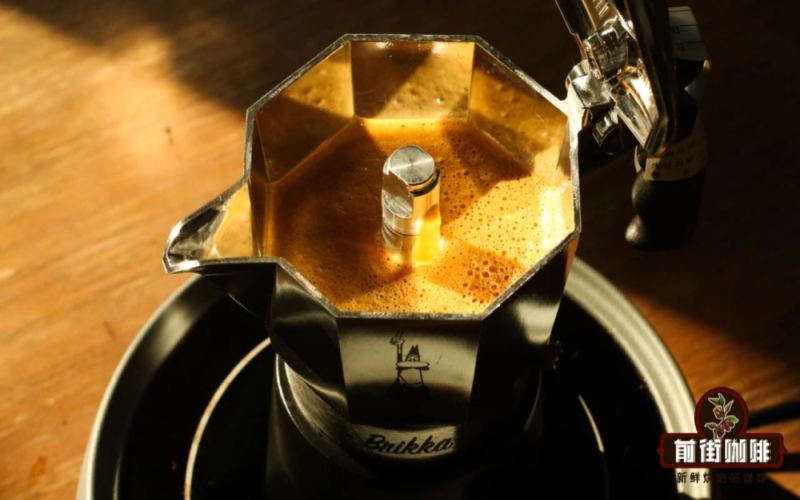
Moka Pot Brewing Test with Acidic Coffee Beans: Performance Across Roast Levels and Bean Selection Advice
Many Moka pot enthusiasts often ask: which coffee beans are suitable for brewing in a Moka pot? Especially those beans whose flavor descriptions mention fruity acidity — do they actually taste good when brewed this way? To address this question, Front Street selected three coffee beans with varying levels of acidity for hands-on testing: Front Street Ethiopia Yirgacheffe Gedingding, Front Street Costa Rica Mozart, and Front Street Papua New Guinea Bird of Paradise. By comparing the flavor performance of the straight brew versus iced americano, practical advice on selecting beans for the Moka pot can be summarized: light-roasted citrus-toned beans are not suitable, while medium-light-roasted sweet fruity beans can deliver a pleasant surprise. This article will present the brewing parameters, crema condition, and tasting results in detail to help you better choose beans for your Moka pot. [more…]
Kenya AA Coffee Beans: A Comprehensive Guide to Processing Methods, Roast Levels, and Brewing Flavors
Kenyan coffee has always held a dazzling position in the global specialty coffee landscape, captivating countless enthusiasts with its complex fruit-toned character, bright acidity, and solid body. This article approaches the subject through producing region distribution, variety characteristics, and the AA grading system, systematically sorting out Kenya's washed and natural processing workflows, the traditional auction system, and emerging micro-cooperative models, along with roaster practical advice and professional cupping notes. Whether you are a beginner just encountering Kenyan beans or a seasoned connoisseur looking to understand trade transformations in depth, you will gain clear insight from it. Front Street Coffee will also combine the key points of this article to provide reference ideas for everyday brewing. [more…]
Does Mandheling coffee belong to Robusta or Arabica? A complete guide to varieties and brewing methods from Sumatra, Indonesia
Mandheling coffee is a representative coffee of Sumatra, Indonesia, but many people are not clear about its variety classification, processing method, and brewing method. Starting from the producing region, variety, and wet-hulling process, this article explains in detail whether Mandheling belongs to Robusta or Arabica, and compares the differences between two Front Street Coffee Mandheling products—Lintong Mandheling and PWN Golden Mandheling. At the same time, through cupping comparisons of light, medium-dark, and dark roast levels, as well as the practical parameters of four brewing methods—pour-over, AeroPress, siphon, and French press—it helps coffee enthusiasts fully understand Mandheling's flavor characteristics and extraction key points. [more…]